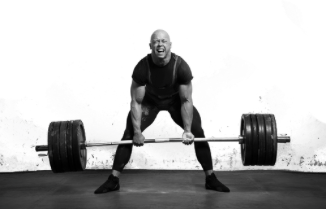
Myofibrillar vs. Sarcoplasmic Hypertrophy: Two Ways to Grow
We've all seen the Bruce Lee-types, the small men with profound strength, and the contrary, muscle men that are all ...


One of several so called, “super-supplements”, to have hit shelves over recent decades is glutamine, the most abundant amino acid ...
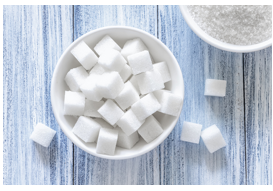
One of the most frustrating and damaging metabolic conditions a person can have is insulin resistance. On one end, insulin ...
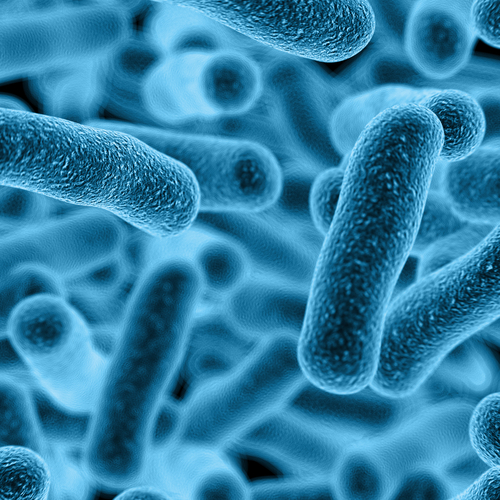
Did you know that your body is approximately 90% bacteria and only 10% human? From birth to death, our gut ...
When hypertrophy (muscle building) is your main goal, the food and nutrients you consume around the workout is by far ...

Training arms is so important to the common bodybuilder or fitness enthusiast that there is absolutely no shortage of information ...

Is it true that resistance training stunts growth in adolescents? And can lifting really reverse the ageing process in older ...
As the old adage goes, breakfast is the most important meal of the day. Starting the day off right is ...
In the last two installments of this series, we laid out and explained concerns and guidelines for buying fruits, vegetables, ...
Picture yourself cranking out a heavy set of squats, your training partner counting down as rep number 20 of an ...
Fat loss is the ever-elusive conquest of anyone and everyone who is into health and fitness. Observationally I also think ...
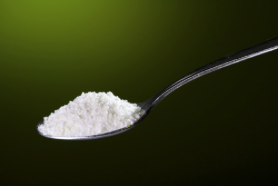
Almost everyone is familiar with the idea that glutamine is great for muscle recovery, but it is often under utilized in this instance. Glutamine is also a favorite source for your liver, used to make glucose when consuming low amounts of carbs, therefore can help you stay anti-catabolic on a low carb diet. Glutamine is also a favorite source of fuel for the intestines, making it vital for a healthy digestive system. Glutamine is an alkalizing amino acid and it helps to improve glutathione levels in the body, the body’s most powerful anti-oxidant. Glutamine is a processor of amino acids to glutamate and GABA which are neurotransmitters – glutamate being the most exciting and energizing, GABA the most calming and increases slow wave sleep and growth hormone release. If you are not using post-workout carbs, 20-30g of glutamine can help replenish glycogen inside the anabolic window. 2-5g of glutamine at night can help improve GABA and sleep, up to 100g a day can help repair a damaged gut lining.