• All
  • Hormones & Physiology
  • Nutrition
  • Supplements
  • Training

The Effects of Carbohydrates on Your Workout – Part 1: Pre Workout

For many of us, carbohydrates seem to be the most important and most debated macronutrient when speaking on building muscle. ...

Read More

Metabolic Flexibility: What It Is, and How Can You Improve Yours!

The ability to switch between glucose and fats (our two major energy sources) based on the foods we consume and ...

Read More
exhausted athlete

Overtraining? Signs You May Need to Take a Rest Day

When is rest for the wicked but a necessity for gains? We let the science do the talking...

Read More

MI40 Strength: Hypertrophy & Strength Periodization Programming – Part 2

The process of muscle growth is best stimulated with high volume using relatively moderate weights. But to get stronger faster, ...

Read More

Super-Mineral Magnesium: Essential for Muscle Gains and more…

In their eagerness to increase strength and build muscle, most devoted iron trainees will ceaselessly pound down the protein, carbs, ...

Read More

Glycine

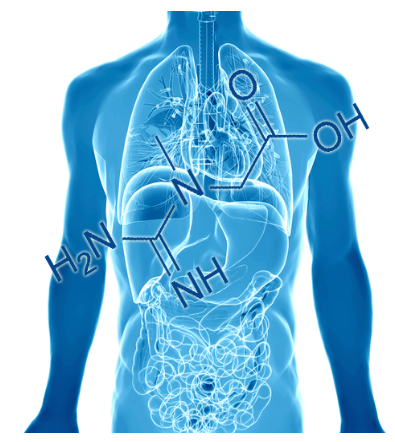
Glycine is unique in that it is the most simple amino acid and makes a base-building block for many other ...

Read More
Showing Slide 1 of 7
  See More

Taurine

Taurine is one of the best amino acids to help improve muscle soreness because it helps to push glutamate conversion to GABA.  This means you go from catabolic, to anabolic faster.  The best way to use taurine is 2-5g after workouts and before bed.  It is a calming amino acid, so don’t use too much if you train first thing in the AM.  You need to make sure your diet consist of ample vitamin B6 and glutamine to get these benefits as well.  Taurine is also a universal detoxifier used by the liver and helps cell membranes regulate electrolyte balance in vs. outside the cell.  This means you can control the pH of your cells better.  If you have trouble restoring pH balance in your body, taurine can be added to an alkalizing program between meals.