• All
  • Hormones & Physiology
  • Nutrition
  • Supplements
  • Training

The Young and The Restless: Weight Training for Special Populations

Is it true that resistance training stunts growth in adolescents? And can lifting really reverse the ageing process in older ...

Read More
exhausted athlete

Overtraining? Signs You May Need to Take a Rest Day

When is rest for the wicked but a necessity for gains? We let the science do the talking...

Read More

The Biology of Fat Loss Mechanics – Part 2

By Roland Pankewich If you have read the first installment (Read Part 1 Here) you were introduced to the idea ...

Read More

Occlusion Training: Lift Light to Mass Up

In matters physiological, the process of occlusion has largely negative connotations. Occlusion, meaning to shut off or obstruct, of a ...

Read More

Creatine: Much More Than a Muscle Builder

Bodybuilders, and indeed all athletes looking to secure the performance edge would have at least a passing knowledge of the ...

Read More

Tyrosine: An Adjunct to Intensity

Looking for lazer focus and unabated energy during tough workouts? Tyrosine could be the superamino you need to swoop in ...

Read More
  See More

Bent-Knee Calf Movements


Guidelines for all Bent-Knee Calf movements
(unless specifically stated otherwise)

  • place the ball of the foot in contact with the pad / platform / ground
  • medium stance unless stated otherwise (hips, knees and ankles inline)
  • keep knees stable throughout (when standing, lock out quads and contract the glutes)
  • ensure full ankle flexion and extension (not foot)
  • only come up from the bottom when the tibialis anterior at the front contracts
  • focus on driving the weight through the big toe (not via the outsides of the feet)
  • when you think you’re up all the way, go a little further (max height); aim for a huge peak contraction and really fight for those inches, bring the heels up as high as physically possible.
  •  
    * Consciously think also about pulling the knees / ankles together throughout (inward ‘intent’).
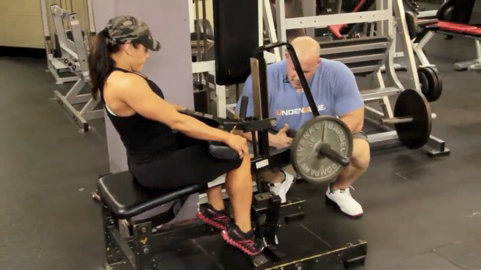
 

Seated Calf Raises

    Exercise Specific:

  • some assistance with the last few reps (pulling with forearms) is acceptable, though use common sense to determine if you’re just being too ambitious with the weight and adjust accordingly next time if so.


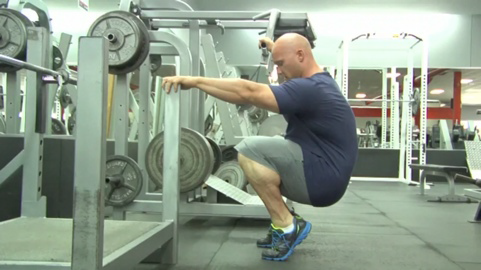
Squatting Bodyweight Calf Raises

    Exercise Specific:

  • hold onto something for support, then squat down until the bottom position is reached
  • ensure centre of gravity is over the toes
  • remaining in this position throughout, raise up onto the tips of the toes at the top
  • attempt to momentarily touch heels to the ground at the bottom if ankle flexibility allows (with no compromising of form); this may not be possible for some but not others – just work within the range achievable with perfect execution.