Leptin: A Key Hormone in Controlling Hunger and Losing Fat
A new year has begun and now is the time to carve off that holiday excess. As fans of this ...


A new year has begun and now is the time to carve off that holiday excess. As fans of this ...
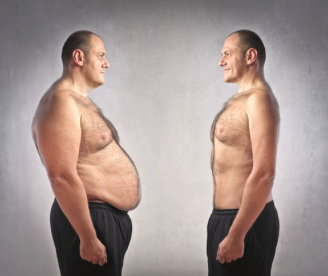
The problem with body fat is that when you start to accumulate it in large quantities (more than 20lbs), it ...
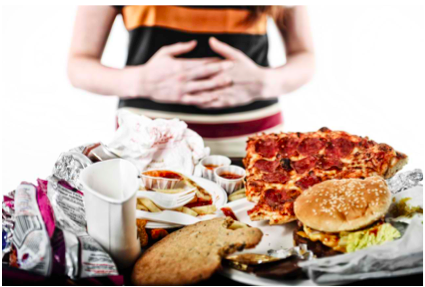
When starting a diet, have you ever wondered why exactly hunger and cravings suddenly sky rocket? Obviously a reduced food ...

In the quest for the perfect physique, hormones often take center stage. Testosterone, estrogen, cortisol, insulin…they get all the glory ...

In a startling feat of biological engineering, our body must involuntarily produce an array of chemicals to promote specific actions ...
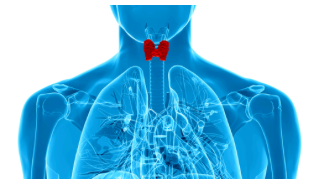
Looking for lazer focus and unabated energy during tough workouts? Tyrosine could be the superamino you need to swoop in ...
In a previous article we discussed the key hormone leptin as it relates to hunger, weight gain and dietary adherence.
Leptin is classed as the ‘good’ hunger hormone that, when functioning normally, helps to control energy intake, hunger and overeating. In contrast, ‘ghrelin’ is often classed as the ‘bad’ hunger hormone, linked with increased hunger and poor dietary adherence.
Ghrelin is produced in the stomach and the levels produced are dependent on many factors including fed state (e.g. when you ate your last meal), other hormones such as leptin and growth hormone, and then things such as age, gender, fasting blood sugar and insulin levels.
Ghrelin’s daily mechanisms can be broken down into 2 simple stages:
1. We eat food, ghrelin decreases, this lowers hunger and our desire to eat.
2. Around 3 hours after eating, ghrelin levels start heading back to a baseline level, meaning hunger increases.
While the daily functions of ghrelin are normal and remind you to eat, the issue occurs when ghrelin levels change or become elevated, which means your perceived hunger increases. This often causes poor dietary adherence (think how many people quit diets or binge because they are excessively hungry), poor food choices, overeating, and rapid weight gain.
Understanding this hormone is therefore crucial for any physique competitor, bodybuilder, athlete, fitness enthusiast or coach. By keeping this hormone under control, dietary adherence and weight management will become much easier. These populations often engage in repeated dieting in an attempt to optimize their physique or performance, but research has shown that when you diet, ghrelin rapidly increases, which means hunger rapidly increases with it.
If you have dieted in the past, you will know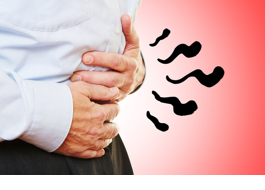 firsthand how hunger constantly increases. The changes in ghrelin help explain this.
Cummings et al. (2002) measured ghrelin levels following a 6 month weight loss intervention program and found a 24% increase in ghrelin levels. In addition, Rossow et al. (2012) investigated a male bodybuilder during a 6 month prep phase and witnessed around a 40% increase in ghrelin levels after 6 months of dieting.
The post-diet or post-contest weight rebound is well known, along with the psychological eating ‘issues’ many competitors face. This is likely caused from rapid elevations in ghrelin during the prep period, especially if these diets happen multiple times per year. It’s not unlikely in these cases that that ghrelin skyrockets on occasion, so don’t be surprised if you suddenly find yourself bingeing on 8000 calories in the buffet at some point!
Therefore, to make dieting easier, long-term weight management more successful, and people’s psychological relationship with food more healthy, one should aim to manage ghrelin and keep it within a normal range.
Here are some high level actionable dieting tips to help limit ghrelin and hunger adaptions caused by dieting:
Two example strategies for a fat loss calorie cycle may be:
It’s important to consider the integrative role that leptin and ghrelin play. One strategy used to counteract this is tracking calories / setting a daily food intake. Although this helps combat some of the free-eating issues, constant hunger and lack of satiety will likely make the weight-loss journey hard, possibly even unsuccessful in the long-term.
The issues apparent with leptin and ghrelin when dieting highlight the importance of a conservative growth phase, or “lean bulk”. A large amount of added fat mass may increase leptin resistance, and, furthermore, mean a longer time spent dieting to get rid of it, which will negatively impact ghrelin levels.