• All
  • Hormones & Physiology
  • Nutrition
  • Supplements
  • Training

When Can I Eat Junk While Dieting And Not Get Fat?

When it comes to “Junk” food. First we must clarify what “junk” is. Carbohydrates themselves for example don’t make you ...

Read More

Omega-3 Fish Oils: The Basics You Need to Know

Omega-3s are one of the fats that actually have gotten a lot of good press.  In this case it’s actually ...

Read More

The Biology of Fat Loss Mechanics – Part 1

By Roland Pankewich Fat loss is the ever-elusive conquest of anyone and everyone who is into health and fitness. Observationally ...

Read More

What are Prebiotics and Probiotics and Why do They Matter?

Bloated stomach? Endless flatulence? Wicked diarrhoea? Believe it or not, you don’t have to live with these symptoms. Ever wonder ...

Read More

Testosterone: Naturally Raising T-Levels to Awaken the Alpha

In the pursuit to naturally increase T-levels, many have turned to testosterone boosters. Today we address their validity, while laying ...

Read More

Interview Q&A Series with Ben: Time Under Tension

Question: “Is there an optimal amount of Time Under Tension (TUT) to shoot for each set?” When trying to maximize ...

Read More
Showing Slide 1 of 7
  See More

Taurine

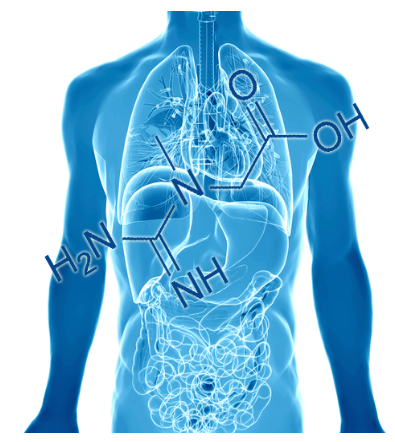
Taurine is one of the best amino acids to help improve muscle soreness because it helps to push glutamate conversion to GABA.  This means you go from catabolic, to anabolic faster.  The best way to use taurine is 2-5g after workouts and before bed.  It is a calming amino acid, so don’t use too much if you train first thing in the AM.  You need to make sure your diet consist of ample vitamin B6 and glutamine to get these benefits as well.  Taurine is also a universal detoxifier used by the liver and helps cell membranes regulate electrolyte balance in vs. outside the cell.  This means you can control the pH of your cells better.  If you have trouble restoring pH balance in your body, taurine can be added to an alkalizing program between meals.