• All
  • Back / Lats
  • Biceps
  • Chest
  • Coaches Corner
  • Delts
  • Exercise Execution
  • Hormones & Physiology
  • Legs
  • Nutrition
  • Premium Articles
  • Supplements
  • Training
  • Triceps

Resistant Starch: Super-Carb for Body Composition!

With an overwhelming amount of research demonstrating its benefits, ‘resistant starch’ blows away many of the sexier sounding supplements that ...

Read More

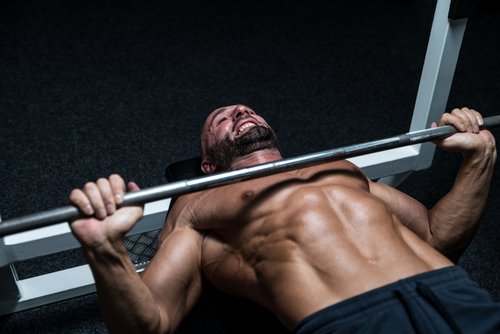
How to Bench for a MASSIVE Chest (Hint… you’re doing it wrong!)

Are the results of your bench pressing, sore shoulders & a flat chest? Time to do things right. Here Ben ...

Read More

The Essentials of Bodypart Specialization: Delt Training

There is no need to go into detail about how important shoulder development (specifically deltoids) is to a complete physique. ...


Read More

Interview Q&A Series with Ben: Optimizing Focus & Energy Without Stimulants

Question: “What are neurotransmitters and why are they important?  How can I optimize them to improve my training?” Your neurotransmitters ...

Read More

Interview Q&A Series with Ben: Progressive Diet Structure for Fat Loss

The old saying, "eat less move more", can actually be a GREAT way to end up 'skinny-fat! If your goal ...

Read More

Nutrient Deficiencies and How to Rectify Them

Vitamins and minerals are essential nutrients that help you maintain optimal health by regulating your metabolism, hormones, and aiding in ...

Read More
  See More

Glutamine

Almost everyone is familiar with the idea that glutamine is great for muscle recovery, but it is often under utilized in this instance.  Glutamine is also a favorite source for your liver, used to make glucose when consuming low amounts of carbs, therefore can help you stay anti-catabolic on a low carb diet.  Glutamine is also a favorite source of fuel for the intestines, making it vital for a healthy digestive system.  Glutamine is an alkalizing amino acid and it helps to improve glutathione levels in the body, the body’s most powerful anti-oxidant.  Glutamine is a processor of amino acids to glutamate and GABA which are neurotransmitters – glutamate being the most exciting and energizing, GABA the most calming and increases slow wave sleep and growth hormone release.  If you are not using post-workout carbs, 20-30g of glutamine can help replenish glycogen inside the anabolic window.  2-5g of glutamine at night can help improve GABA and sleep, up to 100g a day can help repair a damaged gut lining.