• All
  • Back / Lats
  • Biceps
  • Chest
  • Coaches Corner
  • Delts
  • Exercise Execution
  • Hormones & Physiology
  • Legs
  • Nutrition
  • Premium Articles
  • Supplements
  • Training
  • Triceps

Optimize Your Carb-Up Day

A common nutrition plan we use with clients involves rotating low carb days with higher carb days. Low carb days ...

Read More

How to Bench for a MASSIVE Chest (Hint… you’re doing it wrong!)

Are the results of your bench pressing, sore shoulders & a flat chest? Time to do things right. Here Ben ...

Read More

Should My Calories Be The Same On Arm Day and Leg Day?

Energy expenditure can vary greatly from large muscle groups to small muscle groups. This is evident easily by the poundage ...

Read More

Testosterone: Naturally Raising T-Levels to Awaken the Alpha

In the pursuit to naturally increase T-levels, many have turned to testosterone boosters. Today we address their validity, while laying ...

Read More

MCT’s versus LCTs: Which are best for boosting performance and burning fat?

Not all fats are created equal. Put simply, there are good fats and bad fats: the so called unsaturated and ...

Read More

The Effects of Carbohydrates on Your Workout – Part 1: Pre Workout

For many of us, carbohydrates seem to be the most important and most debated macronutrient when speaking on building muscle. ...

Read More
  See More

Bent-Knee Calf Movements


Guidelines for all Bent-Knee Calf movements
(unless specifically stated otherwise)

  • place the ball of the foot in contact with the pad / platform / ground
  • medium stance unless stated otherwise (hips, knees and ankles inline)
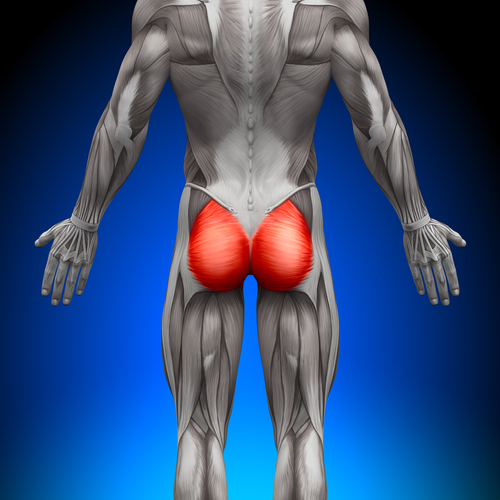
  • keep knees stable throughout (when standing, lock out quads and contract the glutes)
  • ensure full ankle flexion and extension (not foot)
  • only come up from the bottom when the tibialis anterior at the front contracts
  • focus on driving the weight through the big toe (not via the outsides of the feet)
  • when you think you’re up all the way, go a little further (max height); aim for a huge peak contraction and really fight for those inches, bring the heels up as high as physically possible.
  •  
    * Consciously think also about pulling the knees / ankles together throughout (inward ‘intent’).
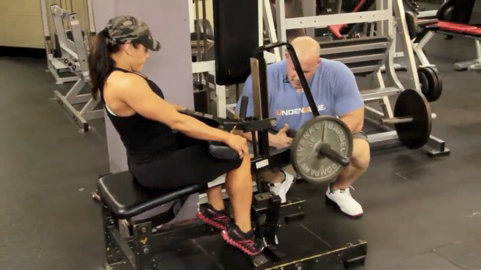
 

Seated Calf Raises

    Exercise Specific:

  • some assistance with the last few reps (pulling with forearms) is acceptable, though use common sense to determine if you’re just being too ambitious with the weight and adjust accordingly next time if so.


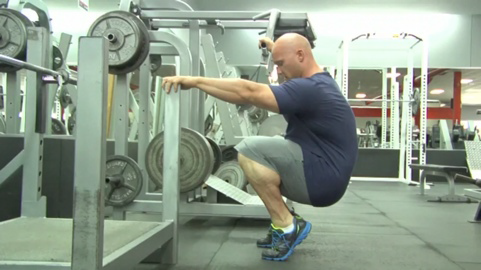
Squatting Bodyweight Calf Raises

    Exercise Specific:

  • hold onto something for support, then squat down until the bottom position is reached
  • ensure centre of gravity is over the toes
  • remaining in this position throughout, raise up onto the tips of the toes at the top
  • attempt to momentarily touch heels to the ground at the bottom if ankle flexibility allows (with no compromising of form); this may not be possible for some but not others – just work within the range achievable with perfect execution.