Interview Q&A Series with Ben: Time Under Tension
Question: “Is there an optimal amount of Time Under Tension (TUT) to shoot for each set?” When trying to maximize ...


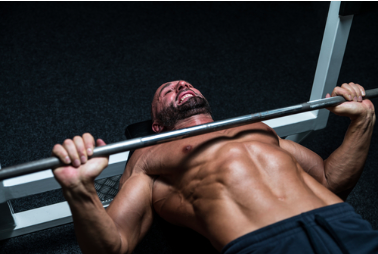
Question: “Is there an optimal amount of Time Under Tension (TUT) to shoot for each set?” When trying to maximize ...
The importance of fibre as an essential nutrient is often overlooked and the daily requirements of obtaining enough presents a ...
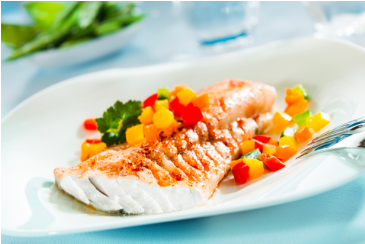
In the last two installments of this series, we laid out and explained concerns and guidelines for buying fruits, vegetables, ...
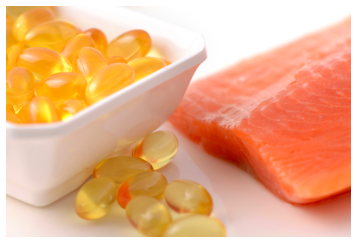
Omega-3s are one of the fats that actually have gotten a lot of good press. In this case it’s actually ...
Most hard working bodybuilders, from rank beginner to seasoned pro, will experience some degree of training-related muscle soreness. Whether experienced ...
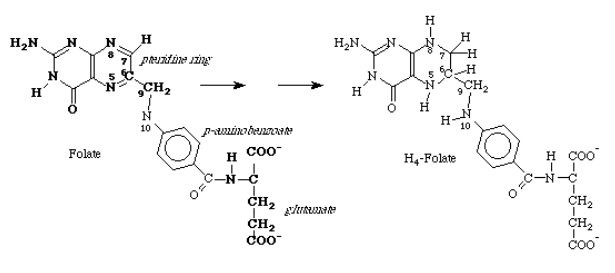
First off, congratulations if you understood my pun. Folic acid or Folate is also known as vitamin B9. The name ...
__________
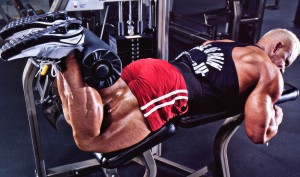
(1) Lying Leg Curls, Body Extended (hips up)
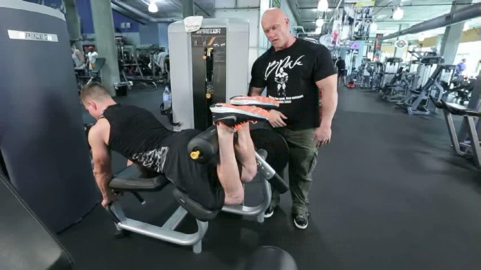
(prop-up upper body into a position that keeps the hips (not the spine) in full extension, the back flat and the glutes fully contracted (this should result in the body forming a horizontal straight line, maintain this. Force pelvis / hips down / drive into the pad (no letting the butt come up), almost allow knees to come up off the pad (hips locked-down and forward))
Typically, this is performed with feet and toes neutral, though to mix things up to change the emphasis:
Point toes: point toes away forcefully (plantarflexion) – will help eliminate calf involvement
Flex toes: flex toes hard towards shins (dorsiflexion) – will make you stronger than the above
Toes in: point toes inwards & touch together, overlapping even – typically strongest position
Toes out: externally rotate about 45º – harder to keep hips down plus range will be smaller
* you can also try mixing this up intra-set, try flexing toes on the positive, then pointing the toes on the negative
___
* for good practice from time to time, from the start position, come up to 30º, pause (to eliminate momentum), ensure full contraction, then continue
* to extend a set if necessary, transition into the below ‘body extended’ position (2)
__________
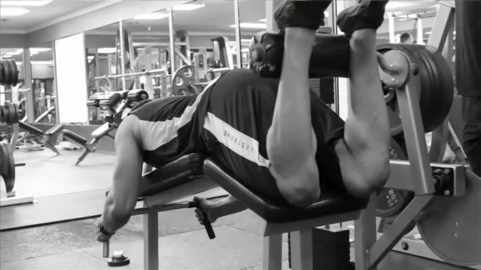
(2) Lying Leg Curls, Body Flexed (hips down)
__________
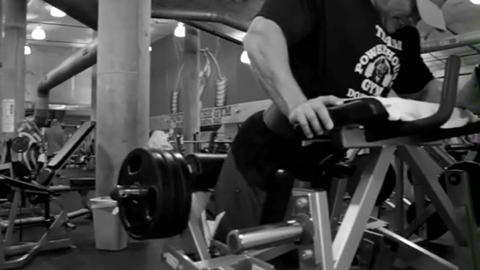
(3) Single Leg Standing Leg Curls
___
* to extend the set if necessary, lean over (to lengthen hamstrings) while shoving thighs into the pad
__________
(4) Glute-Ham Raises / Back Extensions (Glute/Ham Emphasis)
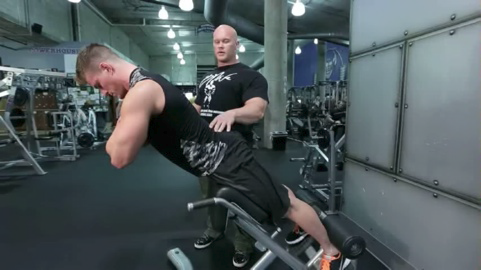
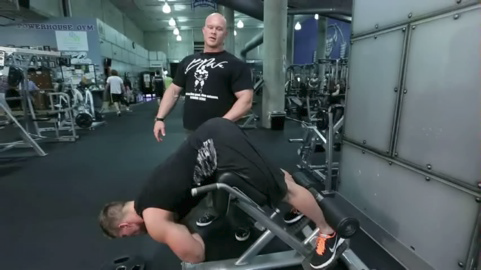
(typically, use a 45º angle back extension machine; if needing to use a raised foot pad, adjust so that the body reaches a horizontal position perpendicular to ground at the top)
___
* to complete a set, if needed, drop the hands to the ground and push to assist back up
* feet / toes can be positioned as per preference; externally rotate toes to elicit more of the outside of the hamstrings and vice versa
* if attempting for the first time, bring arms across / in front of chest when performing; the next progression would be to hold the hands behind the head, the next to hold a weight plate against the chest
* advanced: if / when a high level of execution is achieved, you may rotate at the top of the movement one way, then in the opposite direction on the next rep
__________
(5) Seated Leg Curls
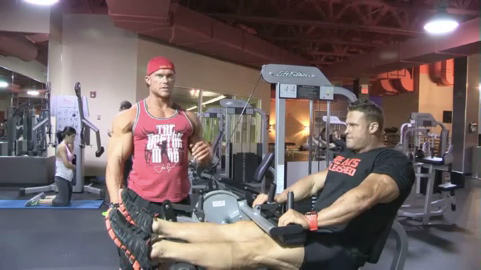
* as an intensifier, place a ball, Pilates block or bottle etc. between the thighs and squeeze it throughout the movement
__________
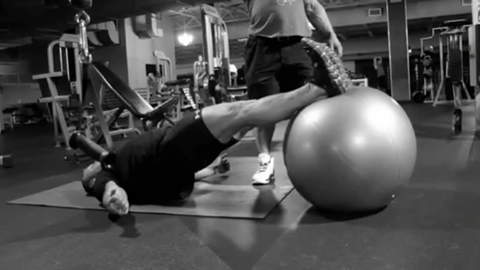
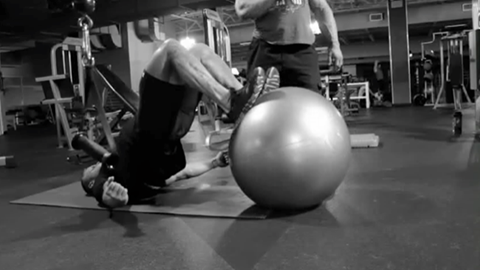
(6) Hips Up Lying Leg Curls with feet on stability ball
__________
(7) Weighted Glute Bridges / Hip Thrusts
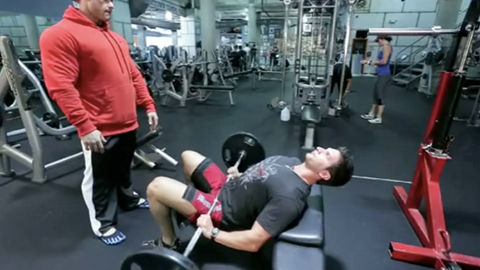
(lay across a flat bench with only shoulders / upper trap in contact, hold a barbell or dumbbell across the hips)
__________
(8) Bodyweight Glute Bridges / Hip Thrusts on ball
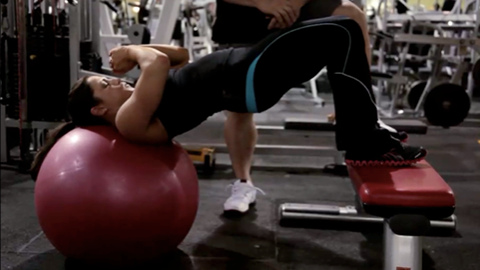
(advanced variation depicted)
Execution of all below variations as per exercise above (7), minus the body position:
1. perform lying flat on the floor (hands down for support, or, if advanced: across chest
2. same execution also though with feet on a bench or just one foot if ability allows
3. (advanced): as above, while lying on / pushing shoulders and traps into, a stability ball
* ‘intent’ can be applied by placing a ball / Pilates block between the knees & squeezing, if advanced, have a spotter apply pressure to the outside of the knees
__________
(9) Hip Thrusts in Power Rack with Band