Interview Q&A Series with Ben: Tips for Maximal Recovery
Question: “We all know that it’s essential for anyone who trains hard to recover sufficiently to continuously improve their performance and physique. What ...
By Roland Pankewich Read Part 1 HERE Read Part 2 HERE So far we have outlined some basic principles that ...
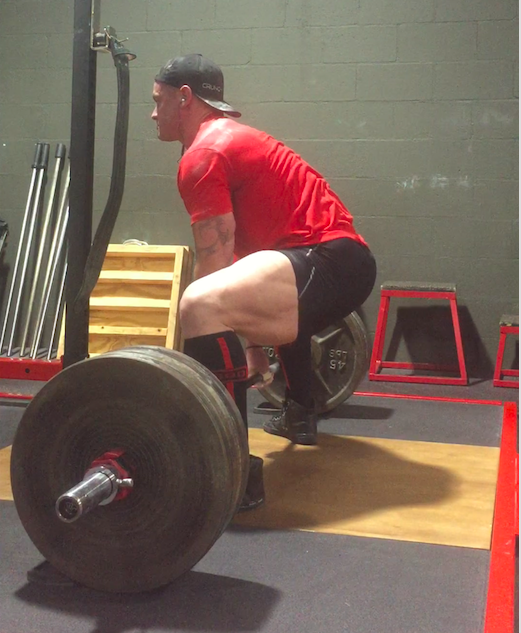
Picture yourself cranking out a heavy set of squats, your training partner counting down as rep number 20 of an ...
Post-training is your most insulin sensitive time of day and the time when your body can use carbs the most ...
Energy expenditure can vary greatly from large muscle groups to small muscle groups. This is evident easily by the poundage ...
Imagine an image such as this…. You are in your car heading to the gym to train today. You have ...
There is, without a doubt, a no more difficult area of the body to develop muscle size and strength, than ...
The line between success and failure come showtime is notoriously small. As many competitors will tell you, the final 7 ...
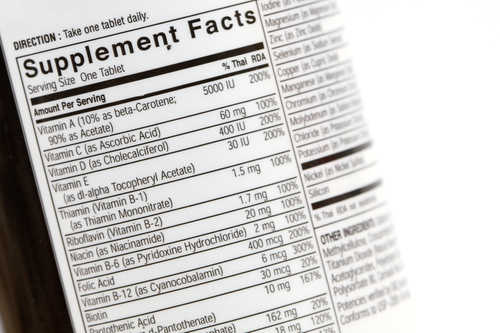
Vitamins and minerals are essential nutrients that help you maintain optimal health by regulating your metabolism, hormones, and aiding in ...

In a startling feat of biological engineering, our body must involuntarily produce an array of chemicals to promote specific actions ...
Are the results of your bench pressing, sore shoulders & a flat chest? Time to do things right. Here Ben ...
So you’ve dieted hard, and trained even harder. Your mind and your body have been battered and depleted from the ...
Almost everyone is familiar with the idea that glutamine is great for muscle recovery, but it is often under utilized in this instance. Glutamine is also a favorite source for your liver, used to make glucose when consuming low amounts of carbs, therefore can help you stay anti-catabolic on a low carb diet. Glutamine is also a favorite source of fuel for the intestines, making it vital for a healthy digestive system. Glutamine is an alkalizing amino acid and it helps to improve glutathione levels in the body, the body’s most powerful anti-oxidant. Glutamine is a processor of amino acids to glutamate and GABA which are neurotransmitters – glutamate being the most exciting and energizing, GABA the most calming and increases slow wave sleep and growth hormone release. If you are not using post-workout carbs, 20-30g of glutamine can help replenish glycogen inside the anabolic window. 2-5g of glutamine at night can help improve GABA and sleep, up to 100g a day can help repair a damaged gut lining.